Tuesday, January 4, 2011

We're back!

Hello friends. Its been a while since I posted. Here's a brief recap: I've been building a chicken coop (all done but the roof), I'm starting work on building a brick oven in my basement (hope to finish by Feb.) and the publisher dropped my manuscript.

Yeah, it was disappointing, it set me back, I crawled into a lonely hole and stopped blogging. They sat on it for more than a year before deciding this. The editor-in-chief was very kind and encouraging, but the acquisitions board didn't have the same vision. So now the manuscript is at another publisher, who said they'd let me know by Christmas if they were going to publish, and of course the holidays got the better of that one. Still waiting to hear.

So you may remember my styrofoam proofing box that I made last fall? One of my facebook friends asked, "but what did the pioneers do, not having styrofoam or an incandescent light?" They set it next to the hearth. But this got me thinking about how we might let our lack of understanding push us to take cheater steps. I've been baking larger volumes of bread lately (25 lbs. of dough at a crack) and in the course of wondering if I might need a 20 quart mixer or bigger, I came across a short French video. The guy mixes up 50 lbs. of dough by hand in a wooden trough in a matter of minutes without breaking a sweat. And then bakes it off in a wood-fired oven. This made me think that we've really missed the boat. Let's see if the link works... ">here.

The video is long (and all in French), and they make you wade through about 45 seconds of advertising before the good stuff. The relevant section starts at about 7:15 on the counter. I found the video through another fantastic website called "The Fresh Loaf" which is a great site for helping serious home bakers hone their game.

So... are you all great fans of technology? Zealous luddites? I guess we're all here online, but what about pioneer endeavors?

Friday, November 12, 2010

Pics


A mid-19th century American bakery from NPS archives.


Unidentified mid-19th century. Note the pinner apron detail.


Diderot, mid 18th century, the pastry shop.


Another from Diderot's mid-18th century encyclopedia, the bread bakery.


A French baker selling his bread. Note the cap.

Tuesday, November 9, 2010

Its the Most Wonderful Time of the Year

What time is that, you might ask? Well... This evening for dinner I made chicken soup. It was the standard, no frills chicken soup made by boiling the remains of yesterday's roast chicken. Celery, onion and carrots made up the rest, with a few savory herbs to flavor. This was our fifth soup this fall, if you don't count the ramen for lunch the other day. We started out with a lovely butternut squash soup made with kielbasa sausage and cheddar cheese. Then we had miso. A few days before Halloween I made a clam chowder. On Halloween we had a curry pumpkin soup. And now chicken soup. No dumplings or noodles tonight, as we had the remains of a sourdough loaf (thanks again Dr. Wood! Buy his cultures! They're awesome!).

Yes, it is soup season. One of the historical soups I've come across (and to be included in the book solely on the basis of its provenance) is St. Jacob's soup. This one is attributed to Benjamin Roberts. The lore is that Benjamin went on the Mormon Battalion march to California and came back with this soup. Here's the recipe, from his great-granddaughter:

1/4 lb salt pork
2 good-sized potatoes, diced
2 good-sized onions, sliced
4 fresh tomatoes (or 1 no.2 can stewed)

Cut pork into small pieces and cook until brown but not crisp. Cook potatoes and onions in boiling water until tender. Add pork with some of drippings, also tomatoes, and simmer for 10 minutes. Serve with hard bread which has been toasted and cut into cubes. Seasoning should be added to taste.

So there you have it. I've seen this recipe in multiple places, always the same, with the same provenance, so it seems to be sort of famous. What baffles me though is how this recipe survived for 150+ years. You can just look at it and see that it would be rather un-notable. Try making it and see what you think might give it the merit to last so long. I'm guessing there's something missing in the "seasonings added to taste." Would it be crushed red pepper? Black pepper? Would you make a roux with the drippings? Fresh herbs? Maybe we should make some little toasts broiled with some chevre and float them on the soup? Or just season some croutons?

At any rate, send in your thoughts and reviews for this soup, and one lucky winner will get to dip into the prize bucket. Incidentally, MissC never sent her contact info to claim her prize. I can be reached at pioneerfoodie@gmail.com. Hope to hear from you soon!

Thursday, November 4, 2010

Bacteria Cultures-- and another give-away!

Read to the bottom for today's give-away.

In the course of experimenting with the sourdough cultures I was struck with the sophistication of food-related bacteria cultures in pioneer food. The sourdough culture requires particular feeding and fermentation temperatures. It took some doing for me to get it right; it must have been even more difficult for pioneers. Or maybe they just weren't so fussy because they didn't know all the delicate details.

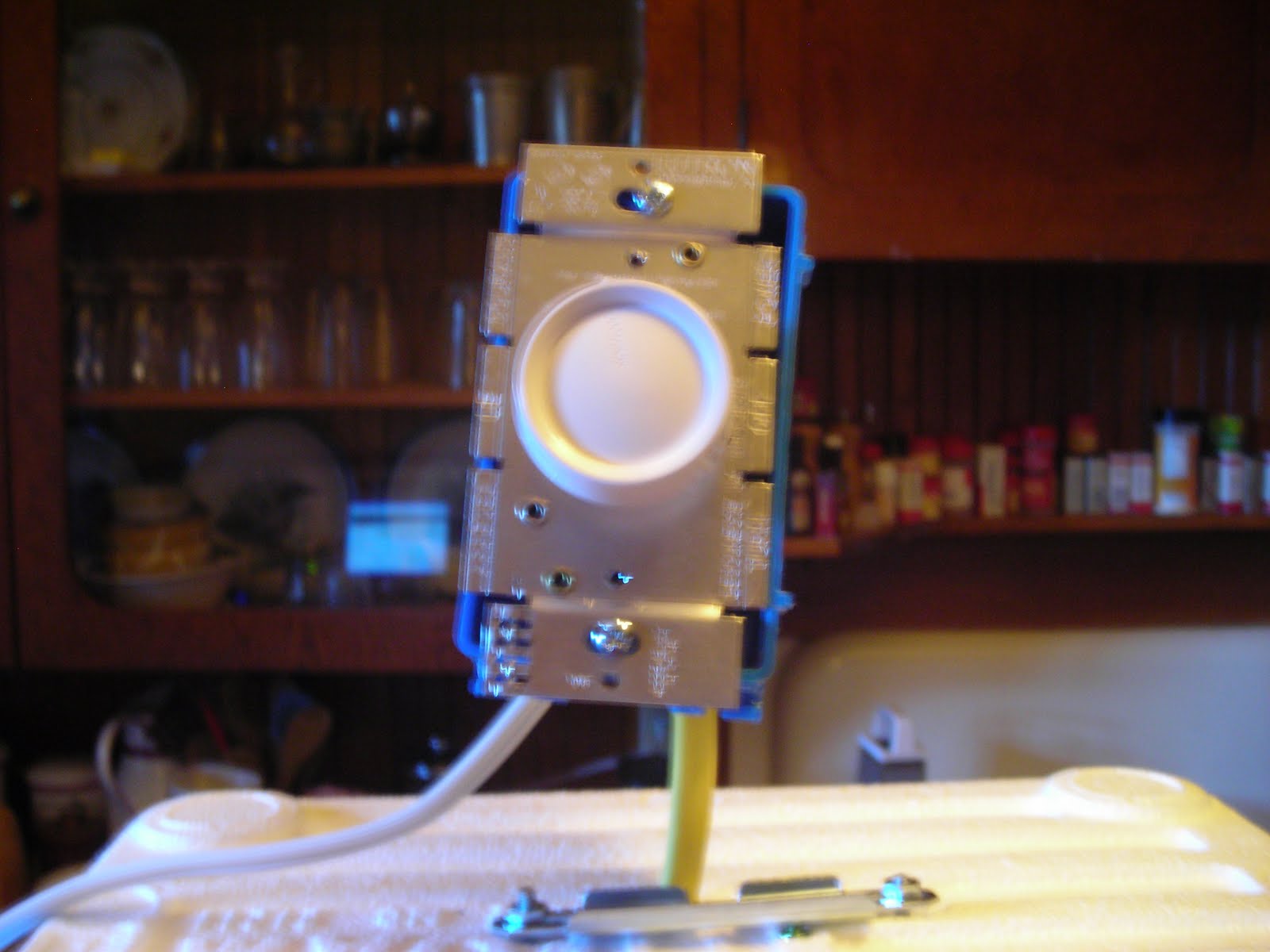
To get the necessary temperature control for fermentation I followed Dr. Wood's instruction for making a fermentation box. Basically you take a cheap-o styrofoam cooler, add a light bulb and a dimmer switch on an extension cord. Come to think of it, I should use this for proofing all my loaves, sourdough or not. Here's a couple of photos.


In the future I might buy a larger cooler. Dr. Wood recommends using a flame-tip bulb instead of the 100 watt that I used. My bulb tends to get too warm. When I dim it down, it goes out. A smaller wattage or a smaller bulb would work better.

Of course sourdough is just one example of a fermented food from pioneer times. As I got thinking about it, this fermentation box is the perfect answer for salt-rising bread, which has to ferment at 115F. Sauerkraut, on the other hand, ferments well at 75, though its tolerance for higher temperatures does better than sourdough. Fermented pickles work on a similar principle. Bread generally requires yeast cultures of some sort. Fermented sausages are another example of bacteria cultures at work. Who can forget the natural yeasting of apple cider? And so on.

In short, bacteria and yeast cultures played a huge role in many nineteenth century foodways. Achieving the specific temperature controls seems to be a tricky thing for a modern home kitchen. The sophistication of Mormon pioneer foodways continues to astound me.

Today's Give-away: Congrats to Sherm for winning the last contest. Jana and MissC both come in as runners-up. If the three of you would send your mailing info to pioneerfoodie at gmail dot com we will work out your prizes.

TODAY I am giving away a pound of raw honey harvested from hives that feasted on the summer wildflowers in New York's Adirondac hills. How to win, you ask? Get a friend or two to add this blog as a "follower". You introduce them to us in the comments section. On your marks, get set, go!

Monday, November 1, 2010

Sourdough! And Give-Aways!

Read to the bottom of the post if you want to enter the give-away.

A couple of months ago Sherm told me about the fine folks at Sourdough International. You can find their sidebar advert over there>>>>> The effort was started by Dr. Ed Wood, a pathologist who stumbled upon sourdough cultures in Saudi Arabia in the 1980s. Dr. Wood proceeded to collect samples of sourdough from around the world, and now sells these to people like us.

Dr. Wood recently sent me some samples to review, along with his book, Classic Sourdoughs. The book is well written and easy to understand, but the best part is that it totally de-mystifies all of the bunk and hoo-hah that have grown up around sourdough culture. All this because we can trust Dr. Wood's training as a pathologist.

I tried the San Francisco sourdough culture. It is composed of a bacteria culture (which contributes the sour tang) paired with a wild yeast (which provides the leaven). The two working together make the magic symbiotically. The culture took off within the first 24 hours after hydrating, and within three days I was cooking. Here's a picture of my sourdough pancake batter after fermenting overnight:


The pancakes were much more chewy than baking powder pancakes. We added applesauce, and the tart apple made a nice compliment to the very distinct sourdough tang.

I also made sourdough bread today. Here's a picture of the culture after sitting overnight, ready to knead up with flour:


Dr. Wood is responsible for providing reliable cultures. His samples took off immediately. I am responsible for learning how to bake. This I am still learning how to do. The bread turned out reasonably, but not yet wonderful. Much of the challenge is being able to control the thermal environment. I live in a drafty old house and winter is setting in.

Naturally I have many more thoughts to share about sourdough, but let us end here with a challenge. Share with us a recipe or foodways tradition in your family that ties back to Mormon pioneers, at least one hundred and ten years ago. Identify the name of the person your tradition ties to, and a few details about that person. I'll post again in three days. Any comments following will be put in the running. The winner gets one of Dr. Wood's cultures, and a runner up will get a PBW apron!


On your mark, get set, GO!

Wednesday, October 27, 2010

Now we're getting serious!


Okay so you've probably noticed some mysterious looking changes to the blog lately. In the next couple of days the new buttons will become functional, and there will be a couple more new buttons as well. All this is for you, my friends.

Once I get the buttons up and going I'll be doing some give-aways with pioneer-related stuff. Or at least pioneer foodie type stuff. The goal here is to increase followers, page views and comments. I've got some fantastic gourmet raw honey. I've got a couple of aprons with the site logo. I've got some of those wonderful sourdough cultures that Sherm turned me on to. And more. Its all for you my friends.

So here's the deal. When I say, "On your marks, get set..." Wait for it... I'll start giving the stuff away to those who can come up with legitimate pioneer foodways or recipes tied to particular Mormon pioneers (has to be at least pre-1900, preferably earlier). We'll post all the submissions here on the site in a special section for reader-generated content. So start thinking about how far you can trace that Christmas pudding back in your genealogy!

Wednesday, October 20, 2010

Seasons of Food


Lately I've been thinking about the cyles of seasons and how they affect our food. Well, let's take that back. The seasons don't affect our food these days so much, but historically they did. As we read in the food admonitions of the D&C, "all things of the earth, in the season thereof, are made for man's benefit" (59:18), and in the Word of Wisdom, "use every herb in it's season" (89:11). But these days, we eat salad in January, and fresh beef in July.

A few modern food philosophers are still advocating a return to seasonal food. Barbara Kingsolver, in her book Animal, Vegetable, Miracle found that eating local to reduce one's carbon footprint also mandated eating seasonally. (I recommend this book if you want to change your thinking about food.) Michael Pollan likewise makes a strong case for eating seasonally in his gastro-philosophical work In Defense of Food: an eater's manifesto. Though most of America might eat in ignorance of their food origins, some are really taking seasonality to heart.

With the cooler weather we had our inagural soup this week. My good wife made a chowder with kielbasa sausage, butternut squash, and cheddar cheese. I had four helpings. I was excited about it because I love soup season more than salad season. It got me thinking about how my approach to food has changed over the past couple of years.

As I've been doing these pioneer food experiments I've moved more and more to a seasonal approach to food. Part of that has to do with raising my own garden. Once you plant a garden it yields so much bounty that you have no choice but to set about eating it as fast as you can. This makes our summer meals exceptionally fresh and filled with vegetables. Then as the fall harvest comes on I feel negligent if we don't put some of it away for winter. Naturally winter demands more hearty meals from preserved foods (like our sauerkraut). And by spring we're just itching for something fresh again so we plant lettuce and radishes early.

All of this seasonality leaves me feeling more connected to my food. I have a greater ownership of it, and I get just a little put out when I have to eat away from home. Further, it brings the seasons to have a more profound, almost spiritual meaning in my life. It fills me with a sense of wonder and excitement. The seasonal food celebrations also take on greater meaning: a Christmas pudding, an Easter lamb, the first tomatoes in late summer all take on a sense of celebration.

What are your favorite seasonal foodways?